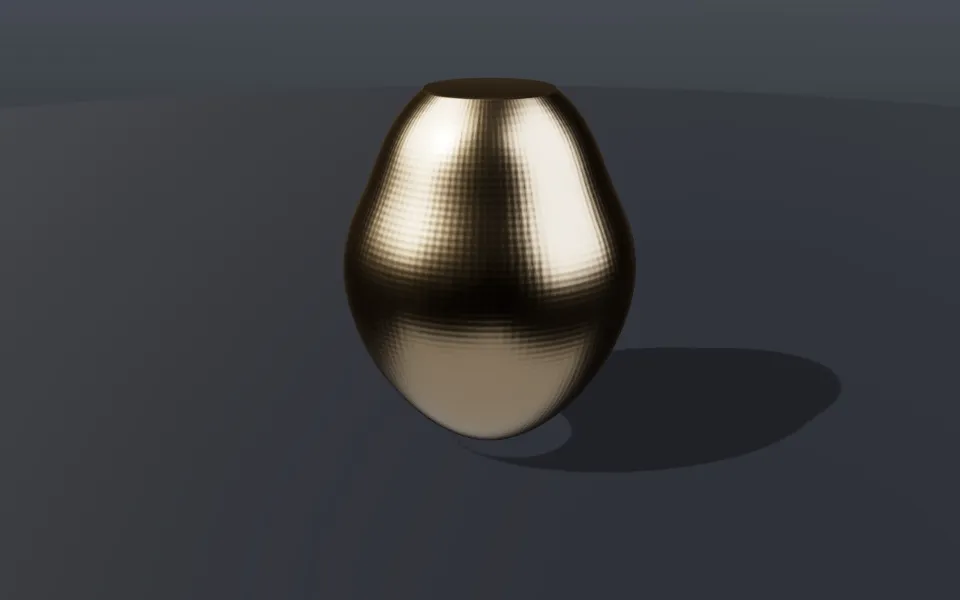
Real-time material design — glass, metal, ceramic and fabric on a sculptural object, with studio lighting you can drag.
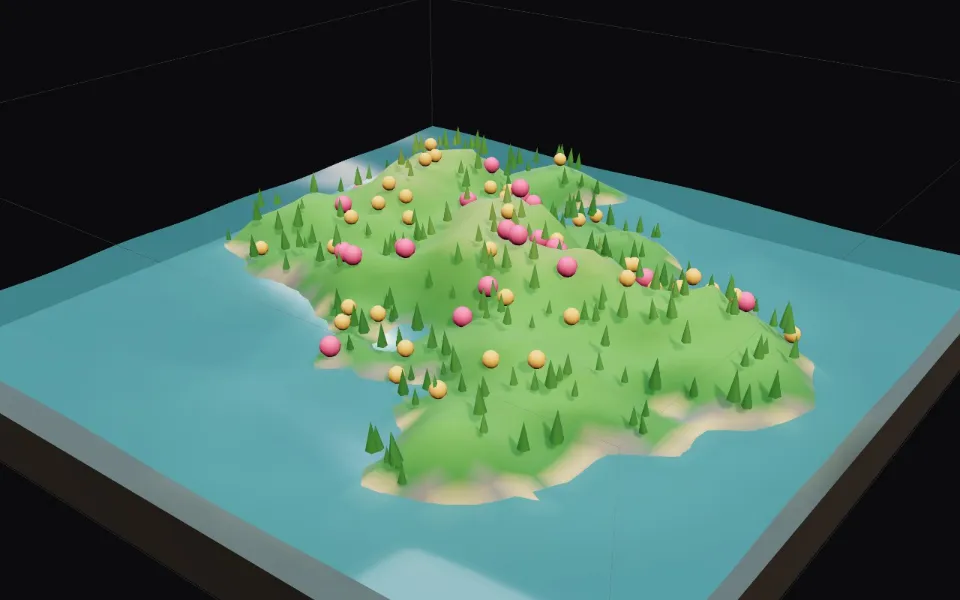
A procedural ecosystem in a glass case — move rainfall, heat, terrain or water and watch the plants and animal populations answer.
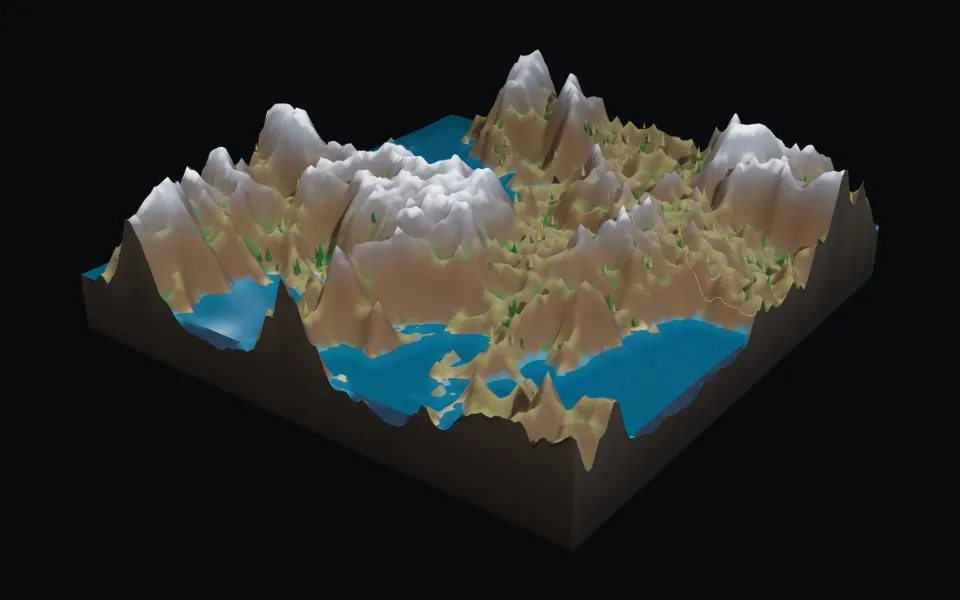
A seed and six sliders make a landscape — shown at once as a 3D model, a contour map and a cross-section you can slide through it.
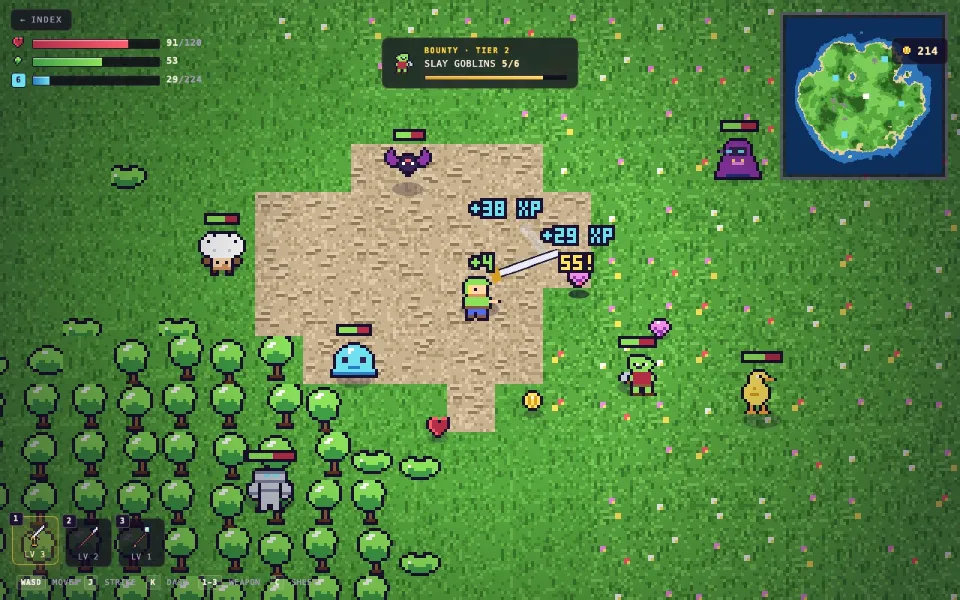
A top-down action RPG on a procedural island — sword, spear and wand, monsters that hunt you, and a boon to pick every level.
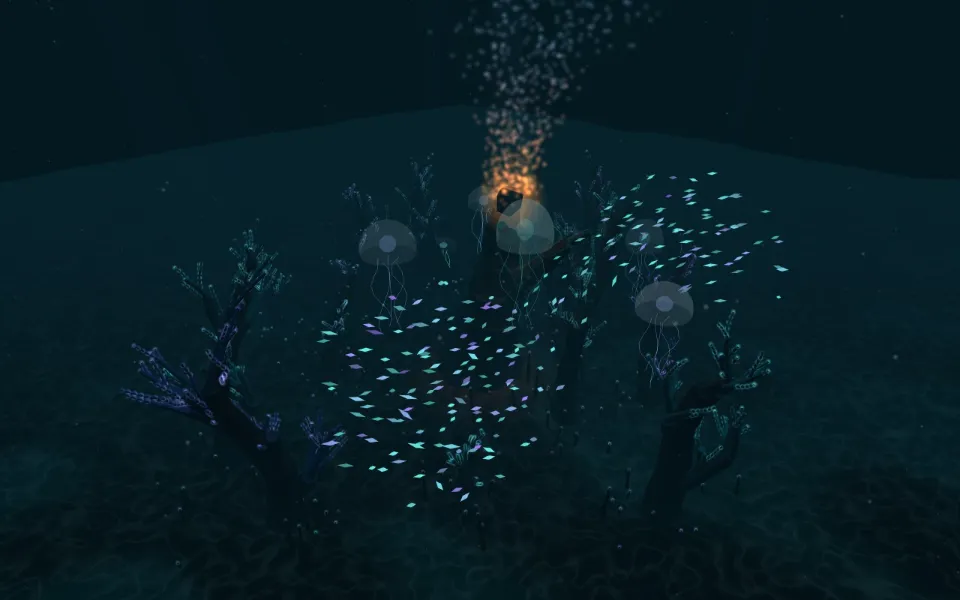
A deep-ocean hydrothermal vent — a school that scatters from your cursor, pulsing jellyfish, grown mineral spires and a warm plume.
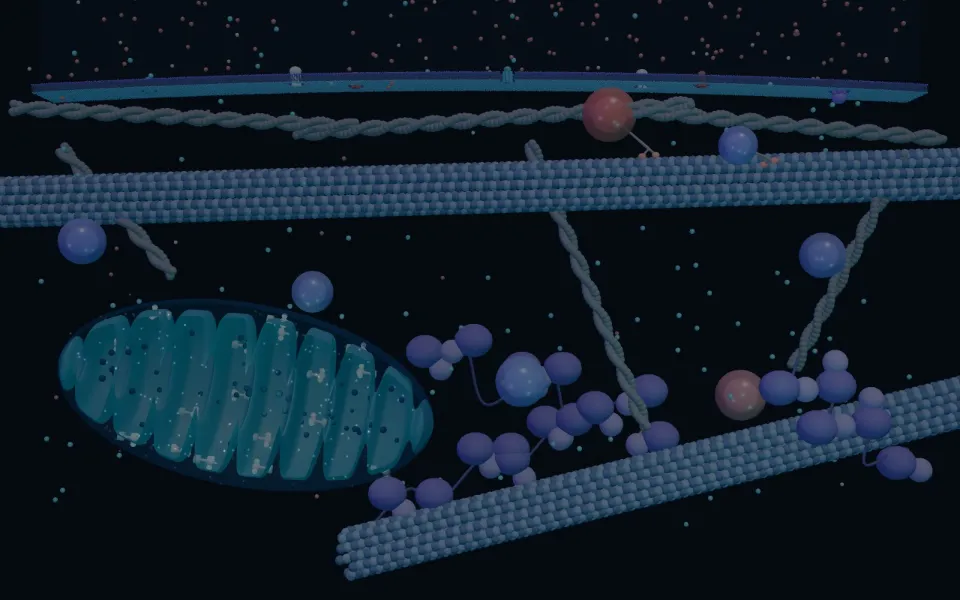
A 520-nanometre slice through a living cell — a bilayer of thirty thousand lipids, channels that gate, kinesin walking its microtubule, and a mitochondrion cut open on its cristae.
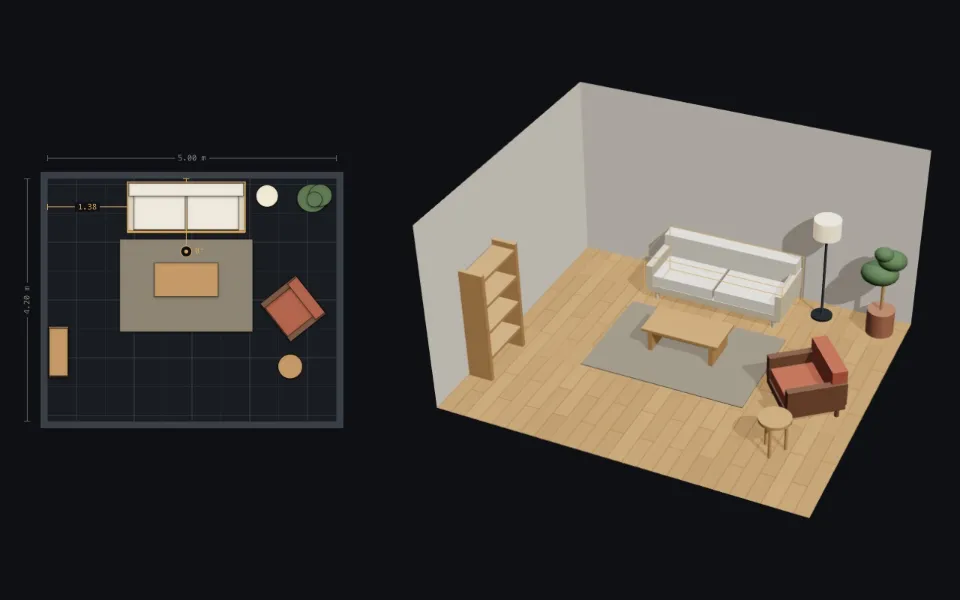
One document, drawn twice — a dimensioned floor plan you arrange the furniture on, and the same room in 3D to walk around.

The Science Museum in OXU’s colours — forge a key in KMS, drop files through Drive’s layered vault, and write a note that never leaves the room.
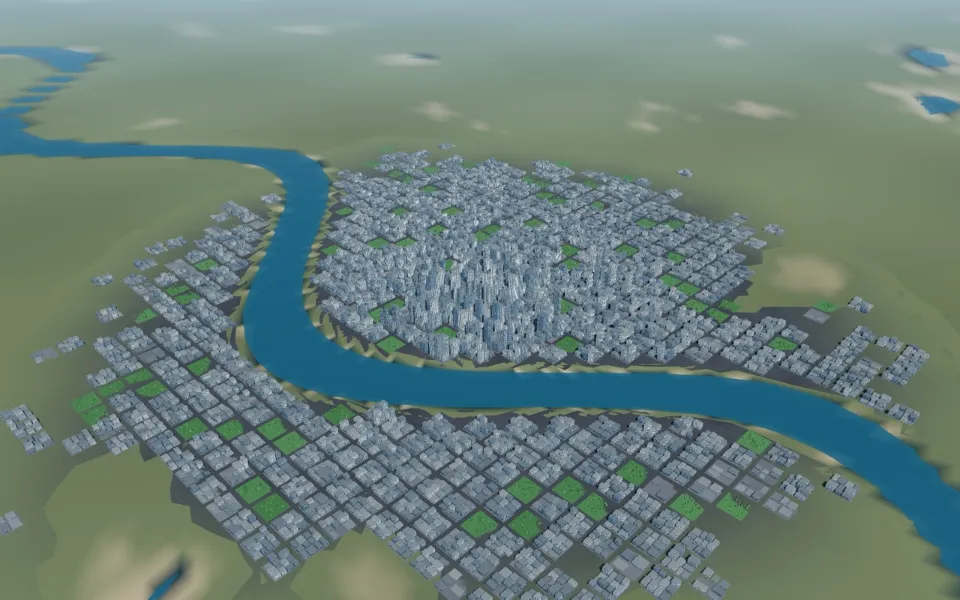
A procedural city generator with an editor pane — street pattern, zoning, skyline and style, over terrain with a river through it.
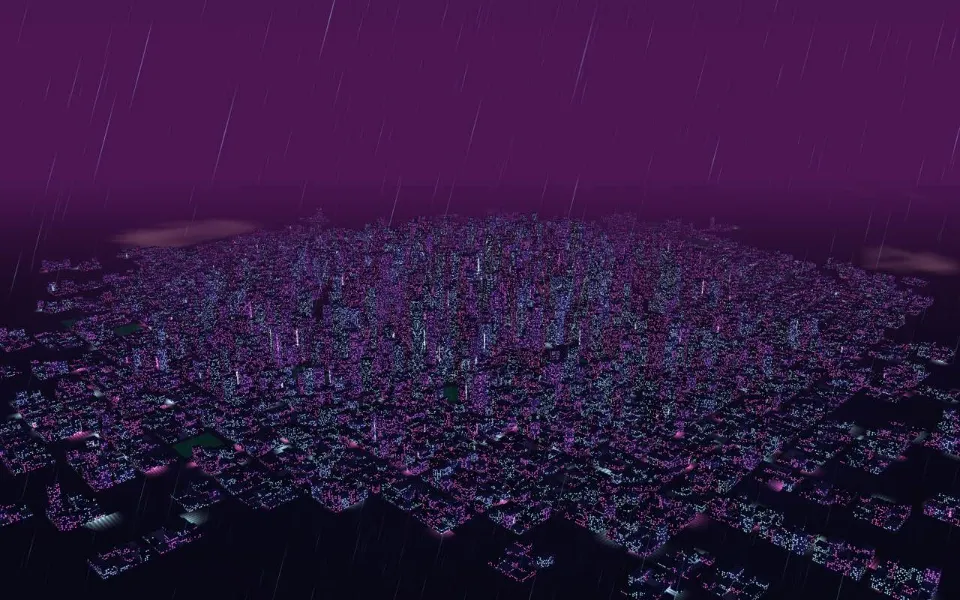
The same generator after dark — four neon districts, rain that follows the camera, and signage lighting up the wet street under it.
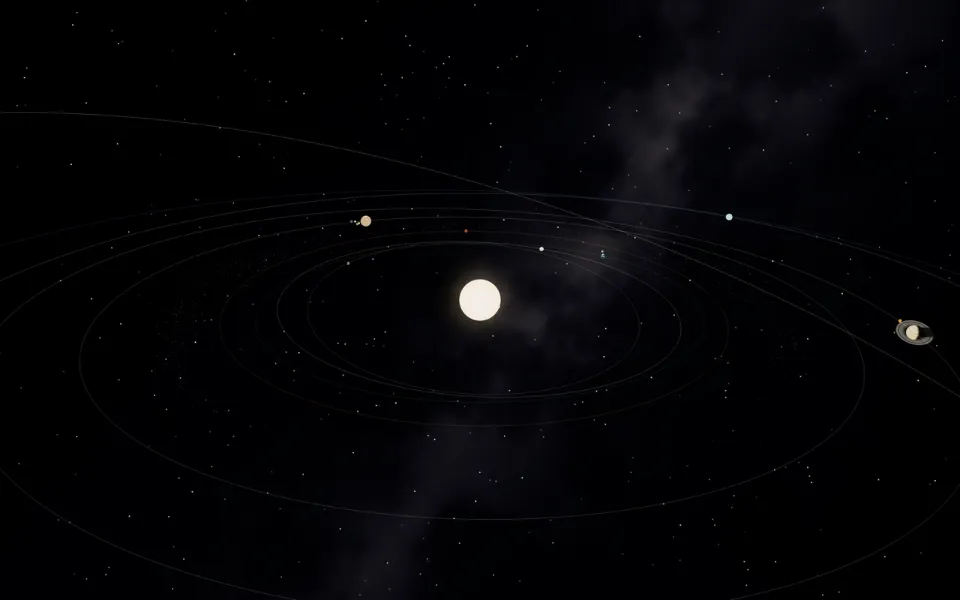
Ten bodies on their real orbits, and one dial the textbooks leave out — from the diagram you were taught to true scale.

An anime avatar maker — cel-shaded, outlined, with eyes drawn in a shader, locks of hair, and seven expressions to swap between.
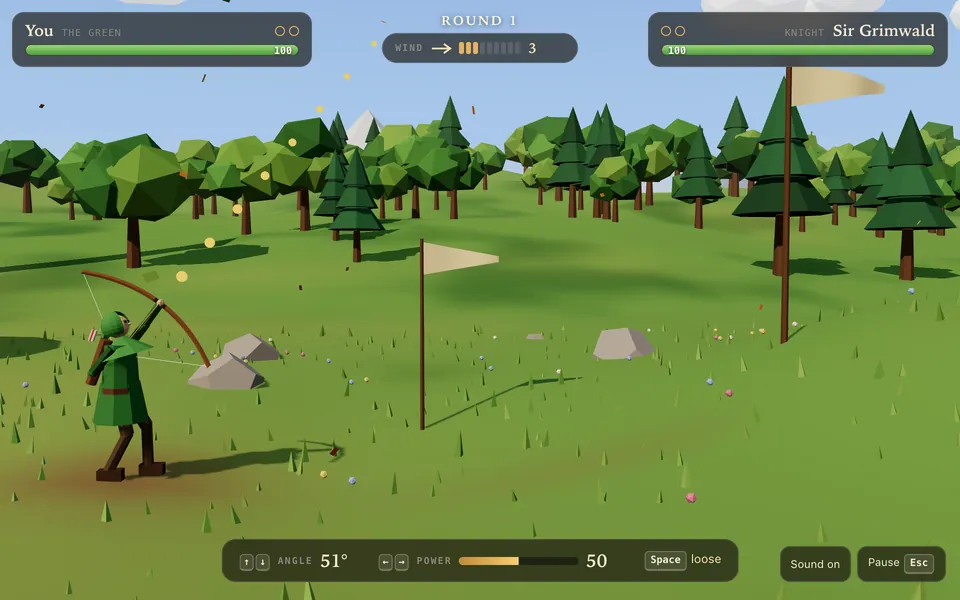
A turn-based archery duel on a tourney field — angle, power and the wind, against an opponent who ranges in shot by shot.
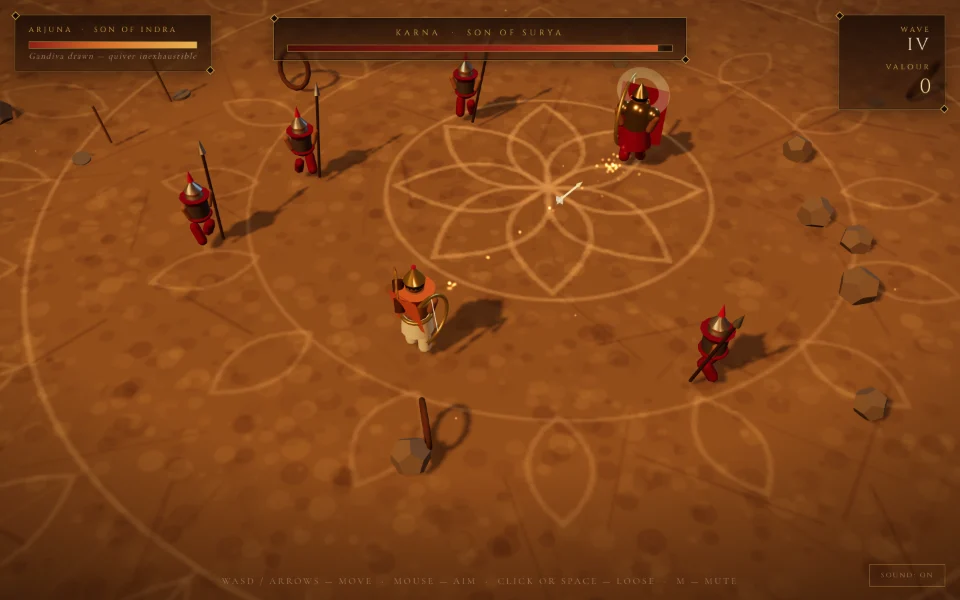
Arjuna at Kurukshetra — a top-down archery battle through three waves of the Kaurava host to a duel with Karna, son of Surya.
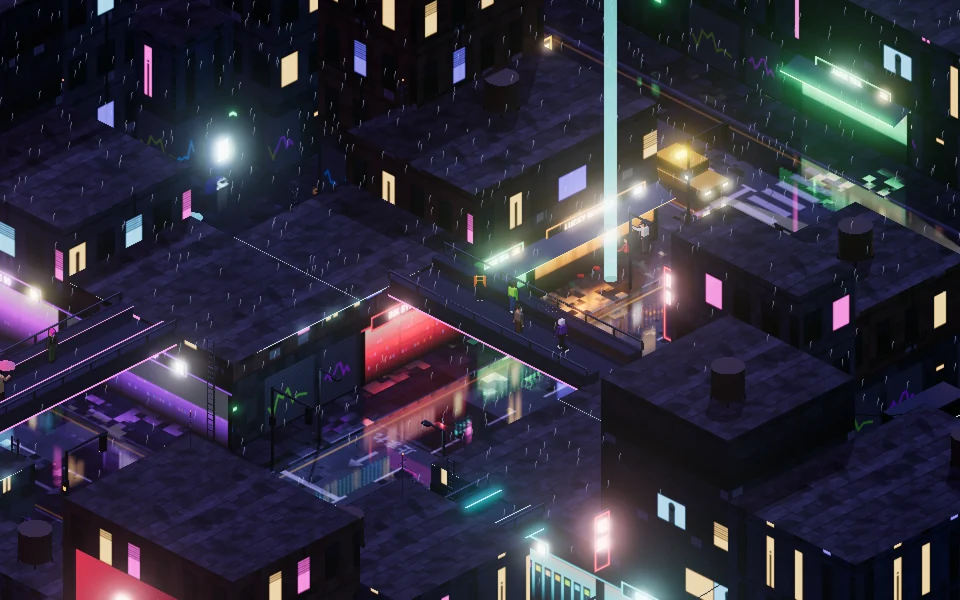
A retro-isometric cyberpunk block at night — one courier job over a shared intercom, traffic, crowds, skywalks, and a security AI that notices.
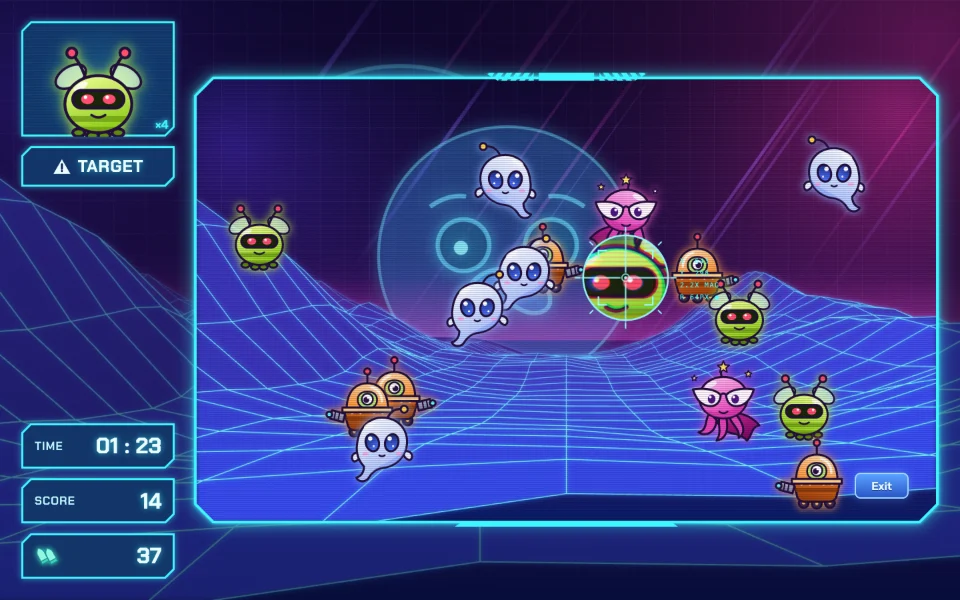
A hologram target range — pick the called alien out of a drifting crowd through a magnifying scope. Ninety seconds, fifty shots.